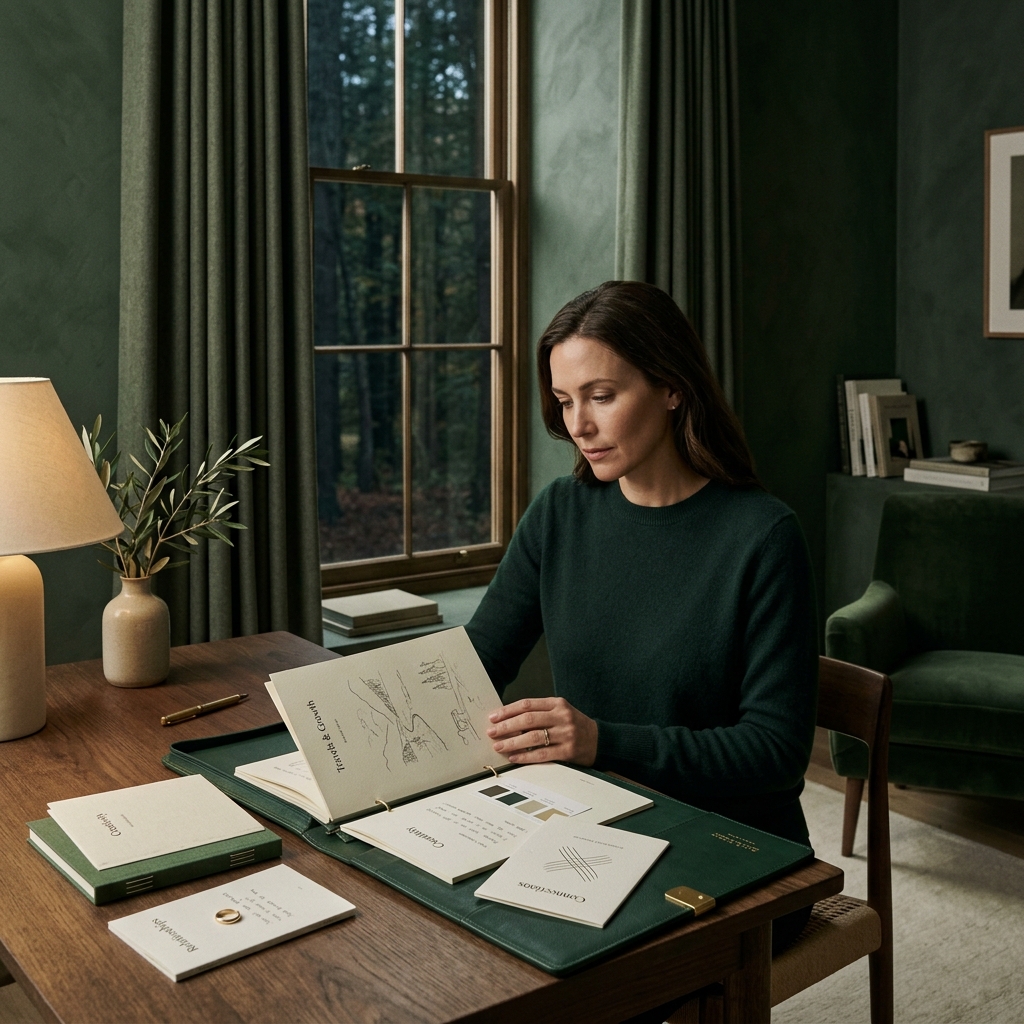
- Somewhere around forty-five the decisions get harder — not bigger, harder — because the stakes are layered. The advisors you needed at thirty were transactional. The advisors you need now are a board.
- A board is a chosen team, evaluated annually, with overlapping coverage on the big topics — kept and replaced by performance, not inertia.
- A personal board has five seats: Money, Legal, Body, Wisdom, and Witness. None is optional; the Wisdom seat is the one most boards are missing.
- Boards take three to five years to build. Interview three people for each professional seat and pick the one who listens well; the Body and Witness seats are built by time, not hiring.
- Use the board proactively: once a year, write a one-page state-of-your-life and send each member the version for their seat. Replacing a member who served one chapter but not the next is not betrayal.
Somewhere around forty-five, the decisions get harder. Not bigger, necessarily — harder. The stakes are layered now. A decision about money is also a decision about health is also a decision about a marriage is also a decision about a parent is also a decision about what you want the next decade to look like.
The advisors you needed at thirty were transactional. The accountant who did your return. The lawyer who reviewed the lease. The doctor you saw once a year for the physical.
The advisors you need now are not transactional. They are a board.
---
CEOs are taught early that the company they build is only as good as the people they put around it. Almost no one teaches the same lesson about a life. We are taught to shop for professionals one at a time, by referral, by proximity, by fee comparison — the way you would shop for a roof. We are not taught to build a board.
A board is different from a list of vendors. A board is a chosen team. The members know each other, or could, if asked. They are evaluated annually, not transactionally. They have overlapping coverage on the big topics, so no single voice is the deciding voice. They are kept by performance and replaced by performance, not kept by inertia and replaced by accident.
You already have a board whether you assembled it or not. Most women are surprised, when they list it out, by who is on it.
---
A personal board has five seats. Some are paid; some are not. None of them are optional.
The Money seat. A financial advisor, a fee-only planner, or — if you DIY — a small committee of resources you trust (a CPA, a planner you consult hourly, a book or two). The Money seat is the only one of the five that most people deliberately fill. It is also the seat most people get wrong, because they hire transactionally rather than as a board member. The advisor's job is not to make money — the portfolio will compound on its own. The advisor's job is to be honest with you about your trade-offs. The Legal seat. An estate attorney. Not a real-estate attorney, not a business attorney, not the friend-of-a-friend who does it on the side. Someone whose practice is wills, trusts, and the long arc of how assets move between generations. You will use them lightly in most years and decisively in a few. The relationship is worth ten years of small interactions before it is worth one big one. The Body seat. A primary care physician who knows you, and one specialist relationship maintained whether you currently need it or not — a gynecologist who has seen you over a decade, a cardiologist after a borderline result, a sports-medicine doctor if you train. The Body seat is the seat most often outsourced to urgent-care convenience and most often regretted. The physician who knows your baseline is the physician who can see the change that matters. The Wisdom seat. A therapist, an executive coach, a spiritual director, a long-term mentor — someone whose job is to think about your life with you, not advise on a specific transaction. This is the seat most boards are missing, because the work this seat does is invisible until you are mid-crisis without one. Build the relationship in steady weather. The cost of building it during a storm is doubled. The Witness seat. The friend who has been through what you are going through. The widow who got there four years ago. The woman who left her job at fifty-three. The mother who got the diagnosis. The Witness seat is unpaid, irreplaceable, and the one that turns the other four seats from professional services into something more like a life.---
You do not assemble the board in a weekend. Most boards take three to five years to build, and the years matter — the relationships need to be in place before they are needed.
Start with what you already have. List the people. Map them to the five seats. Some seats will be empty; some will have placeholders you should retire; one or two will have the right person already, and you simply hadn't named them.
Then build. One seat at a time. Interview three people for each professional seat — the Money seat, the Legal seat, the Wisdom seat — and pick the one who listens well in the first meeting, not the one who has the most to say. The Body seat and the Witness seat take longer because they are built by time and shared experience, not by hiring; they cannot be assembled in interviews.
---
Most people use their board reactively: a problem surfaces, someone gets called. A board is more useful if used proactively.
Once a year, write a one-page state-of-your-life to yourself: where you are, what's changed, what's coming, what's worrying you. Send a version of that page to each board member, adjusted for their seat. The Money advisor sees the financial frame; the Legal seat sees the asset and estate frame; the Body seat sees the health context; the Wisdom seat sees the whole. The Witness gets the version closest to your private voice.
This sounds elaborate. It is not. Done well, it takes an hour to write and replaces forty hours of crisis-driven catch-up later. The board members who matter will respond. The ones who don't are giving you information about whether they belong on the board.
---
The hardest board work is replacing a member who served well in one chapter but is not right for the next. The financial advisor who built the portfolio that compounded for twenty years may not be the right one for decumulation. The lawyer who drafted your first will may not be the one for the trust restructuring at sixty. The therapist who got you through the divorce may not be the right one for the empty-nest decade.
Replacement is not betrayal. A CEO replaces a board member by saying "thank you for your service" and meaning it. A personal-board replacement is the same. The person served well; the chapter changed; the seat is being filled differently. You owe the conversation; you do not owe a longer relationship.
---
Most women did not realize, in their fifties, that they had been building a board. They had thought of their advisors and friends as a collection of relationships. When the first hard chapter arrived — the parent's diagnosis, the death, the divorce, the diagnosis of their own — they reached for the relationships they had and were grateful for what was there.
The ones who fared best were the ones whose collection turned out, almost by accident, to be a board. Five seats filled. Real coverage on the big topics. A team, not a list.
Most women build their board by accident. You can build yours on purpose.
---
When you're ready. The if-I-die-tomorrow file is the document your board will help your family find. The Personal Longevity Plan kit includes the Advisor Selection Rubric, which is the operational deepener for filling the Money seat specifically.Frequently Asked Questions
What is a personal board of directors?
A chosen team of advisors and confidants — not a list of vendors — whose members know each other or could, are evaluated annually, and provide overlapping coverage on the big topics so no single voice decides. You already have one whether you assembled it or not; most women are surprised, when they list it out, by who is on it.
Who should be on your personal board of directors?
Five seats. Money: a financial advisor or fee-only planner whose job is honesty about trade-offs. Legal: an estate attorney whose practice is wills, trusts and generational transfer. Body: a primary care physician who knows your baseline, plus one maintained specialist. Wisdom: a therapist, coach, spiritual director or mentor who thinks about your life with you. Witness: the unpaid, irreplaceable friend who has been through what you are going through.
How do you build a personal board of advisors?
Start by listing the people you already have and mapping them to the five seats. Then build one seat at a time: interview three people for each professional seat and choose the one who listens well in the first meeting. Expect three to five years; the relationships need to be in place before they are needed.
When should you replace a financial advisor, lawyer or therapist?
When they served well in one chapter but aren't right for the next — the advisor who built the portfolio may not be the one for decumulation, the lawyer who drafted the first will may not be the one for the trust restructuring at sixty. Say thank you for your service and mean it. You owe the conversation, not a longer relationship.
References & Notes
- This essay makes no statistical claims. The five-seat model is LifeTurns' own frame; the Advisor Selection Rubric inside The Personal Longevity Plan is the operational version of the Money seat.
- Companion pieces: The if-I-die-tomorrow file; How to choose a financial advisor (and when to fire one); Aging solo.