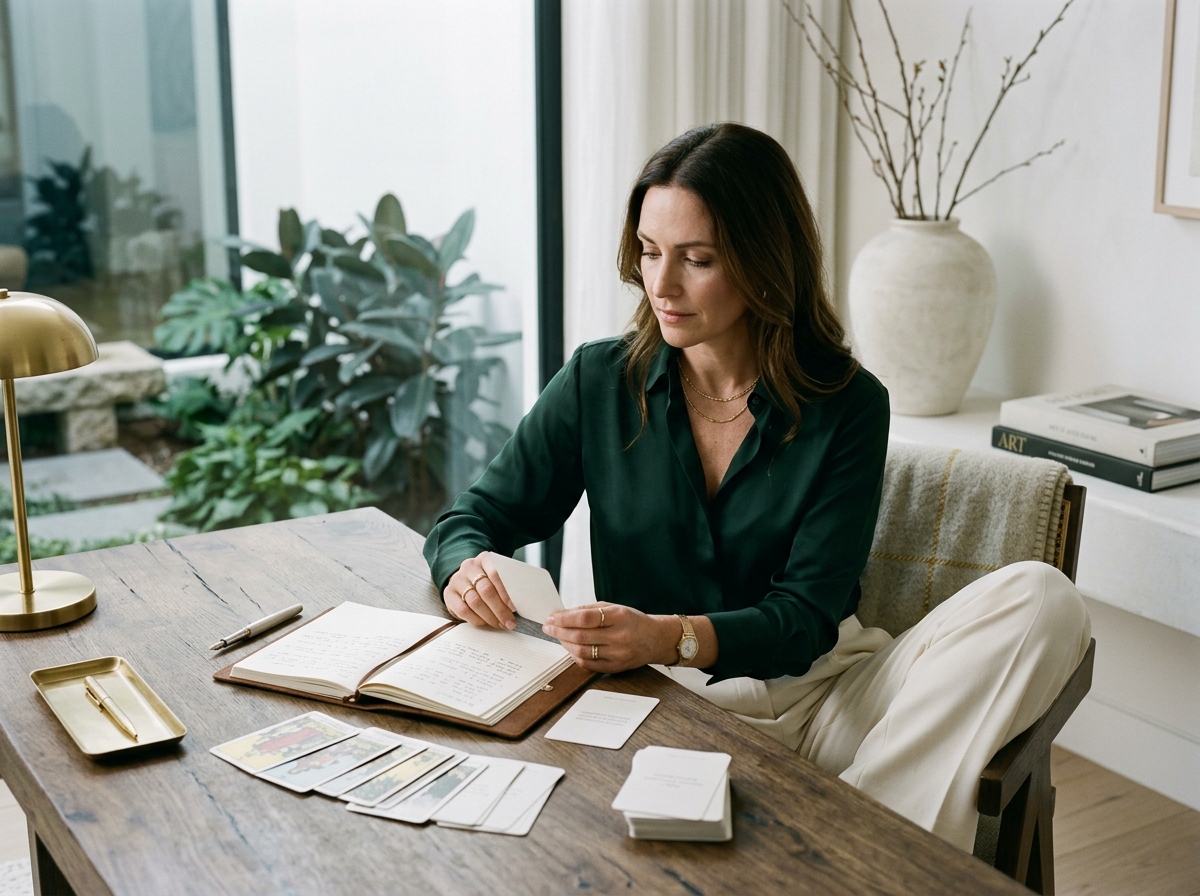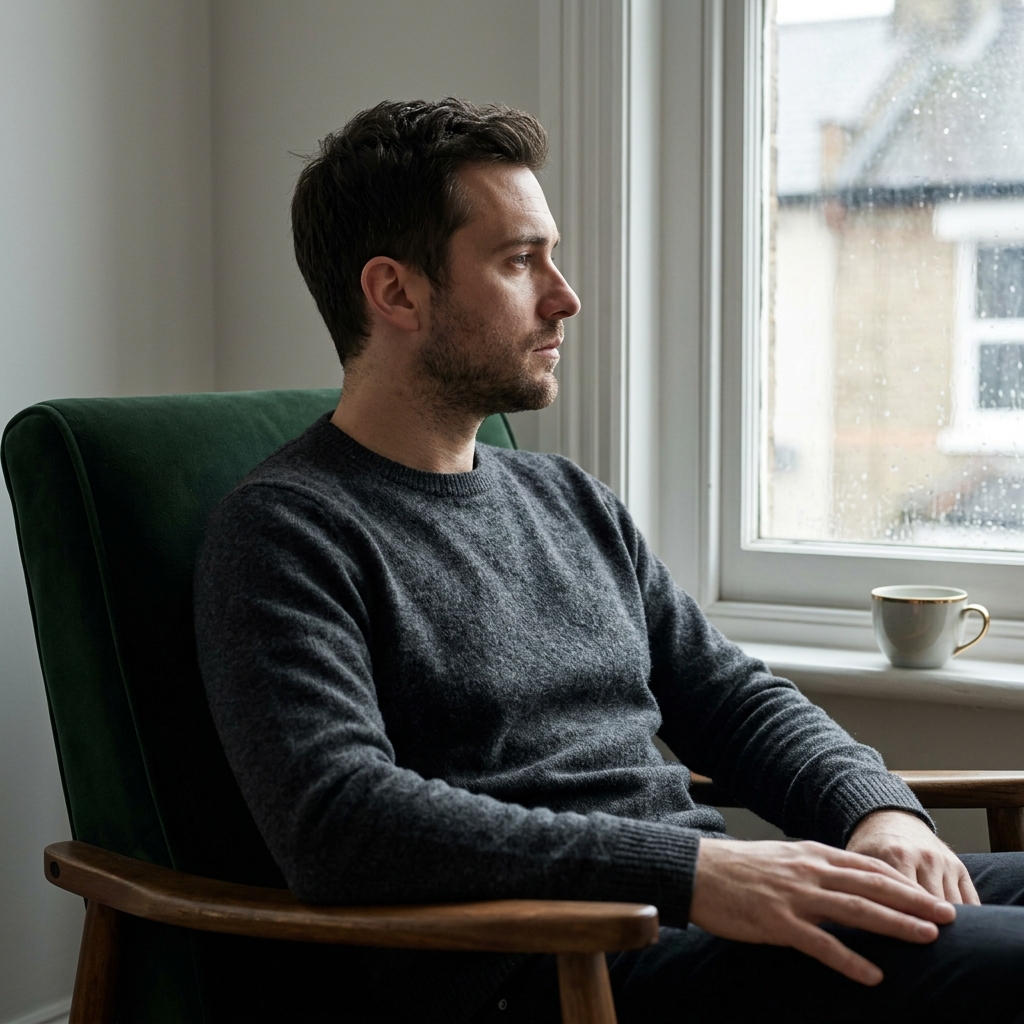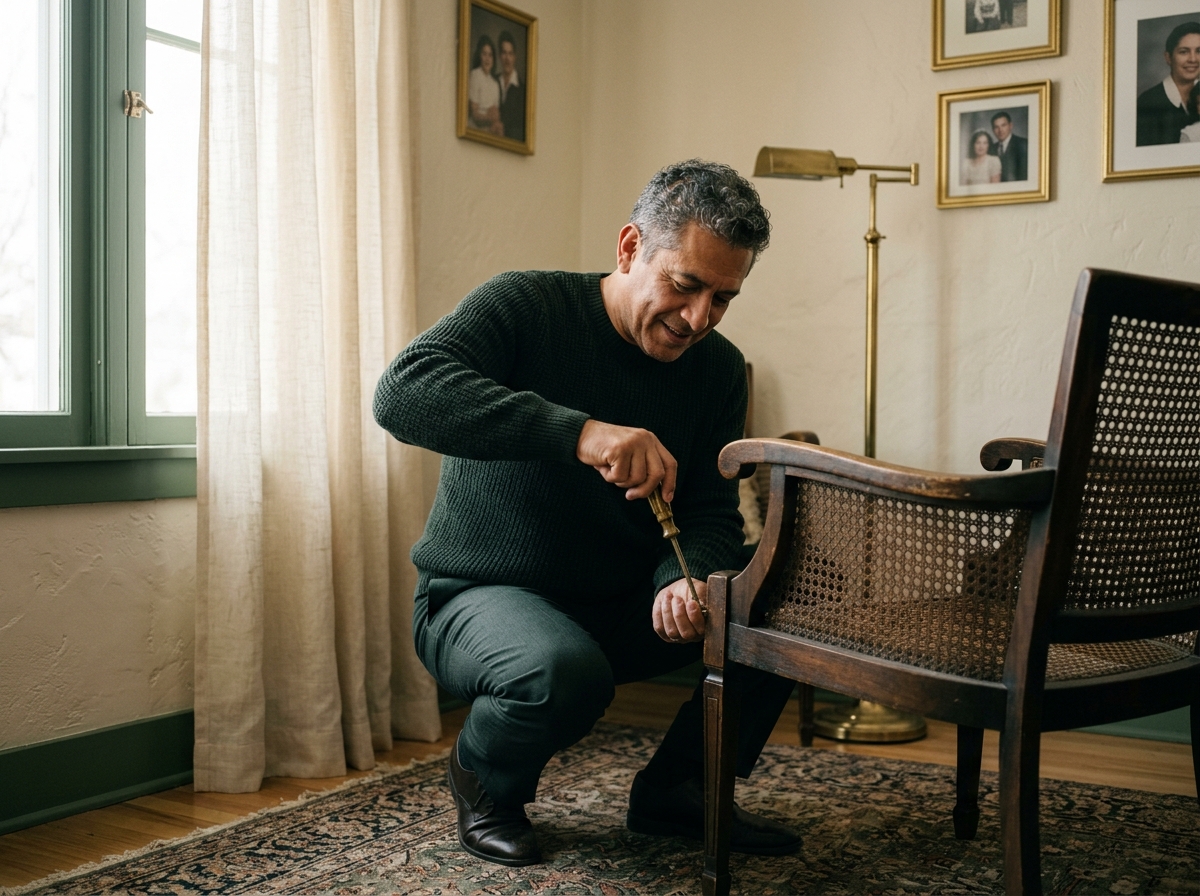
- The morning that breaks you is rarely the first one. It is somewhere around month four, when the calendar fills with empty squares and nobody expects anything of you.
- Most retirement crises look financial and are not. The numbers are the language available for a question that has none: who am I if I'm not the person I've been for forty years?
- Work was providing six things at once — identity, structure, a social network, standing, contribution and growth — and most retirees plan to replace only the income.
- The data is not gentle: retiring without purpose, loneliness and a sharp drop in mental engagement all carry real health consequences.
- The women who do it well started experimenting in their fifties, built friendships outside work, have something they are building rather than doing, and were willing to be beginners again.
The first morning of retirement is rarely the morning that breaks you. It's somewhere around month four.
The retirement party is over. The travel you postponed for thirty years has been done — at least the highlights of it. The friends who said we should get coffee more still mean it, but somehow the calendar fills with empty squares. You wake up some Tuesday in the fall and realize: nobody is expecting anything of you today. Nobody is waiting for an answer to the email you didn't send. The phone is quiet not because it's early, but because there is no longer a reason for it to ring.
This is when most retirement crises actually start.
Most retirement crises are not financial
They look financial. They are presented as financial. I'm worried about running out of money. I'm not sure if our withdrawal strategy is right. I think I need to revisit my plan. The advisor pulls up the projections. The numbers are fine. The numbers were fine before the meeting. They will be fine after.
The numbers are not the issue. The numbers are the language available for a question that doesn't have one.
The question, when it surfaces, is some version of: who am I if I'm not the person I've been for the last forty years? No spreadsheet answers that.
This is the part of retirement nobody prepares you for. Not because it isn't known — every wellness blog and retirement coach gestures at it. The gesture is too gentle. The actual question is sharper. Without the role I've played, am I still legible to myself?
What work was actually doing for you
Take an honest inventory of what your work has been doing. Not just the income. Income is the easiest part to replace.
Work was probably providing you, all at once: an identity (I am a marketing executive); a structure (the calendar filled itself); a social network (colleagues, lunches, meetings, conferences); a sense of standing (I matter in this room); a daily sense of contribution (today I made something happen); and an environment for continued growth (you got better at something, year over year).
When work stops, all six of those need replacements. Most retirees plan for the first one — income — and assume the others will sort themselves out.
They don't.
The schedule emptiness is the first to hit. The social thinning takes about six months. The identity disorientation can take a year or longer. The status loss creeps. The contribution hunger is the one that surprises people most: it turns out a lot of us derived more meaning from being useful than we knew. And the loss of an environment for growth — the slow stagnation of skills you used to be sharpening daily — can be the deepest one.
When all six hit at once, the experience is sometimes called retirement. It can also reasonably be called grief.
The data is not gentle
People who retire without purpose die younger than people who retire into something. The research on purpose-in-life as a longevity factor is now substantial — and the effect sizes are not small.
Loneliness, which spikes after retirement for most people, carries a documented mortality risk on par with smoking nearly a pack a day.
Cognitive decline accelerates more rapidly in retirees who experience a sharp drop in mental engagement.
These are not soft factors. They are medical ones. The choice you make about how you spend the second half of your life is a choice with health consequences as real as the foods you eat or the walks you take.
The patterns of those who do it well
The women who do this well don't stumble into the answer. They build it deliberately, and most of them start before they retire.
They started experimenting in their fifties. A class. A side practice. A volunteer role. Something low-stakes that gave them a glimpse of who they might be when work stops being the answer. By the time work did stop, they had at least a sketch. They invested in friendships outside of work. The colleague-friendships are the most likely to thin after retirement; the friendships that survive are the ones built around something that wasn't the office. Those investments compound in ways that are invisible until you need them. They have something they're building, not just something they're doing. The hobby model — I'll travel, I'll garden, I'll read more — works for about six months. The project model — I'm writing the family history; I'm chairing this nonprofit; I'm learning this instrument; I'm mentoring three people — sustains over years. The difference is whether what you're doing has trajectory. They were willing to be a beginner again. This is harder than it sounds. After thirty years of being competent, of being the person others come to, the experience of being clumsy at something — Italian, calligraphy, salsa, woodworking — is genuinely disorienting. The retirees who flourish make peace with that. The ones who don't tend to retreat into things they're already good at, which doesn't generate the growth they need. They define what a good day looks like at 75 — specifically, not abstractly. I want to walk in the morning. I want to be working on something with my hands by 10. I want lunch with someone three days a week. I want to be reading something hard in the evenings. They build toward that picture, deliberately, in the years before they need it.The work to do now
If you are in your fifties and reading this, the work isn't to retire well. The work is to start the experiments that retirement will eventually require.
The simplest version: pick one thing, this season, that has nothing to do with what you do for a living. Not as a hobby. As a practice. Show up for it for three months and see what happens.
The harder version: have a conversation with someone you trust about who you want to be at 70. Not what you want to do. Who you want to be. Then look at how you spend your time now and ask which of those hours are building toward that person, and which aren't.
The hardest version: notice the parts of your current identity that depend on your work, and start, gently, to disentangle them. Meet new people who don't know what you do. Try something where your title doesn't help you. Find out what's still you when the badge comes off.
The retirement that breaks people is the one that arrives without preparation for the identity it will require. The retirement that doesn't break them is the one they have been quietly preparing for over years.
You have the runway right now to be in the second group.
Frequently Asked Questions
Why is retirement so hard emotionally?
Because work was doing six jobs at once — identity, structure, social network, standing, daily contribution, and an environment for growth — and when it stops all six need replacing. The schedule emptiness hits first, social thinning takes about six months, and identity disorientation can take a year or longer. When all six hit at once, the experience can reasonably be called grief.
Does retirement affect health and longevity?
People who retire without purpose die younger than people who retire into something, and the effect sizes are not small. Loneliness, which spikes after retirement, carries a mortality risk on par with smoking nearly a pack a day, and cognitive decline accelerates in retirees whose mental engagement drops sharply.
How do you prepare for retirement beyond the money?
Start the experiments in your fifties — a class, a side practice, a volunteer role. Invest in friendships that are not built around the office. Choose a project with trajectory rather than a hobby. Make peace with being a beginner. And define, specifically, what a good day looks like at 75.
What should I do now if I'm in my fifties?
The simplest version: pick one thing this season that has nothing to do with your job and show up for it for three months. The harder version: talk with someone you trust about who you want to be at 70, not what you want to do. The hardest: notice which parts of your identity depend on your work and start, gently, to disentangle them.
References & Notes
- Purpose in life and mortality: Hill & Turiano (2014), Psychological Science, and subsequent replications.
- Loneliness mortality risk comparable to smoking: Holt-Lunstad et al., meta-analysis, Brigham Young University.
- Companion: The Transition Toolkit; The longevity planning conversation you haven't had with yourself.