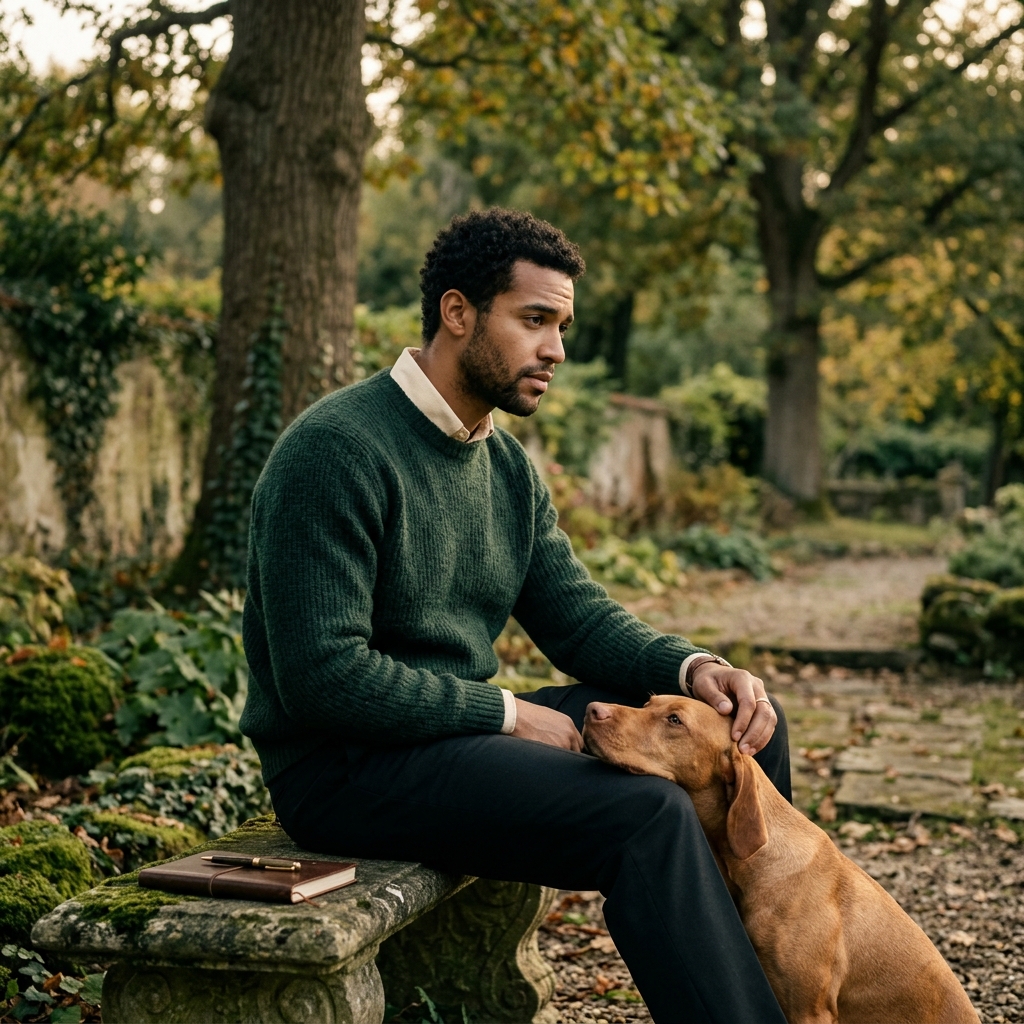
- The asset transfer is the easy part. What keeps parents up at night is not whether the money will arrive but who their children will be when it does.
- You have been transmitting values your children's whole lives, whether or not you meant to. By the time you sit a 35-year-old down for The Conversation, the transfer is largely complete.
- Three things do most of the transmitting, and none is a document: what you modeled, the stories you told, and how money was talked about — or wasn't.
- The lump-sum lecture, the letter read after the funeral, and the advisor-drafted values statement don't work. Values are absorbed, not installed.
- The written anchor is the ethical will — powerful precisely when the children have watched you live it, and the one piece of the values transfer you can do this week.
The asset transfer is the easy part. A signature, a wire, a retitled account, a trust that funds on a date certain. The mechanics are well understood, and any competent estate attorney can build them. What keeps parents up at night is not whether the money will arrive. It's who their children will be when it does.
That second transfer — of values, judgment, a sense of what the money is for — has no closing date and no document that completes it. It happens slowly, in a thousand ordinary moments, most of which already happened before you started worrying about it. The good news, and the uncomfortable news, are the same: you have been transmitting values your children's whole lives, whether or not you meant to.
What keeps parents up at night is not whether the money will arrive. It's who their children will be when it does.
What actually transmits
Children learn what money means from watching, not from being told. They absorb it from how the adults around them behaved when money was tight and when it was easy, from whether generosity was performed or quiet, from what got celebrated and what got hidden. By the time a parent sits a thirty-five-year-old down for The Conversation About Wealth, the values transfer is largely complete. The lecture lands on soil that was prepared decades earlier.
Three things do most of the transmitting, and none of them is a document.
What you modeled. How you treated people who could do nothing for you. Whether you paid attention to a bill or a budget or waved it off. Whether work was something you complained about or something you took pride in. Whether you gave, and whether you talked about giving or kept it private. Children calibrate to behavior with uncanny accuracy, and they detect the gap between what you said and what you did faster than anyone. The stories you told. Where the money came from. What your parents and grandparents went without. The decision that worked and the one that didn't. Families that transmit values well tend to be families that tell stories — not sanitized origin myths, but real ones, with the struggle left in. The story of how the first dollar was earned, honestly told, does more than any trust provision to explain what the last dollar is for. How money was talked about — or wasn't. In some homes money is discussed openly, with age-appropriate honesty, as a normal part of life. In others it is the great unspeakable — never mentioned, faintly shameful, the subject that ends conversations. Children raised in silence don't learn discretion. They learn that money is dangerous and that they are not trusted with the truth of it. That lesson transmits perfectly, and it is almost never the one the parent intended.What doesn't transmit
The lump-sum lecture doesn't work. Neither does the letter read for the first time after the funeral, the surprise inheritance with no preparation, or the values statement drafted by an advisor and signed by a family that never discussed it. Values are not installed. They are absorbed, tested, argued with, and eventually — if you are fortunate and have been consistent — adopted.
The research on inherited wealth is consistent on one point: heirs who were prepared — who understood where the money came from, what it was for, and how to handle it — fare dramatically better than heirs who were simply given it. In the most-cited survey of failed transfers (Williams and Preisser, Preparing Heirs), unprepared heirs and family communication breakdowns account for the large majority of failures; poor planning barely registers. Preparation, not amount, is the variable that tracks with good outcomes.
The written anchor
None of this means writing things down is pointless. It means the document works only when it sits on top of years of the real thing. A letter that says here is what I believe and why is powerful precisely when the children have watched you live it — it names and confirms what they already half-knew, and it gives them something to hold when you're no longer there to ask.
That letter has a name and a long tradition: the ethical will. It is not a legal instrument and it distributes nothing. It is the place you say, in your own words, what the assets can't: who you were, what you valued, and what you hope the people you love will carry forward. It is the written anchor for everything this essay describes — and the one piece of the values transfer you can sit down and actually do this week.
The estate plan answers where the money goes. This answers what it was always about. Both matter. Only one of them is genuinely hard, and it is not the one with the lawyers.
When you're ready. The Ethical Will Template is the guided place to write the letter this essay describes — nine sections, in your own words, saved as you go. For the timing question — how much to share, and when — see When to tell your kids what you're worth and the cultural opener The myth of the self-made family.Frequently Asked Questions
How do you pass on values, not just money, to your children?
By what you model — how you treat people who can do nothing for you, whether you take pride in work, whether you give quietly; by the stories you tell about where the money came from, with the struggle left in; and by talking about money openly and honestly at an age-appropriate level rather than treating it as the great unspeakable.
Does silence about money protect children?
No. Children raised in silence don't learn discretion. They learn that money is dangerous and that they are not trusted with the truth of it — a lesson that transmits perfectly and is almost never the one the parent intended.
Does preparation matter more than the size of an inheritance?
Yes. In the most-cited survey of failed transfers (Williams & Preisser, Preparing Heirs), unprepared heirs and family communication breakdowns account for the large majority of failures; poor planning barely registers. Preparation, not amount, is the variable that tracks with good outcomes.
What is an ethical will?
A letter, not a legal instrument, that distributes nothing. It is where you say in your own words what the assets can't: who you were, what you valued, and what you hope the people you love will carry forward. The estate plan answers where the money goes; the ethical will answers what it was always about.
References & Notes
- Causes of failed wealth transfers (unprepared heirs and communication breakdowns vs. planning): Williams & Preisser, Preparing Heirs.
- Companion: The Ethical Will Template; When to tell your kids what you're worth; The myth of the self-made family.